
Standing waist-deep in a river changes how you fish. You reach water that bank anglers can't. Waders make that possible. The right pair keeps you dry and warm. The wrong pair leaks, chafes, or tears after a season.
I've owned five different pairs over the years. Some lasted one trip. Others are still holding up after hundreds of hours in the water. Here's what actually works for river fishing.
1. Tidewe Bootfoot Chest Wader
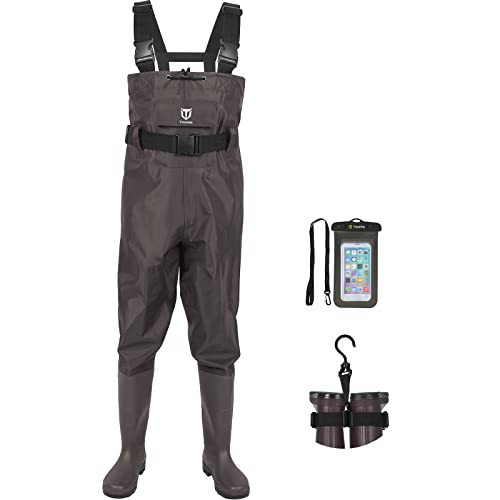
I've put these waders through three seasons of river fishing. The 2-ply nylon and PVC construction handles rocky bottoms without puncturing. I've scraped across submerged logs and sharp slate without springing leaks.
The bootfoot design means you don't need separate wading boots. That saves money and simplifies gearing up. The boots have good traction on slippery rocks, better than some dedicated wading boots I've tried. The included boot hanger is a small detail that matters. Hang them upside down and they dry faster, which prevents mildew.
These waders are heavier than breathable models. You'll notice the weight after a few hours of hiking between pools. They also run warm. In summer, you'll overheat unless you're in cold mountain streams. But for early spring and late fall fishing, the warmth is a benefit.
Pros:
- 2-ply construction resists punctures
- Bootfoot design eliminates extra gear
- Good boot traction on wet rocks
- Boot hanger speeds up drying
- Affordable for the durability
Cons:
- Heavier than breathable waders
- Too warm for summer use
- Limited size options
2. Frogg Toggs Mens Canyon II Breathable Stockingfoot Chest Wader
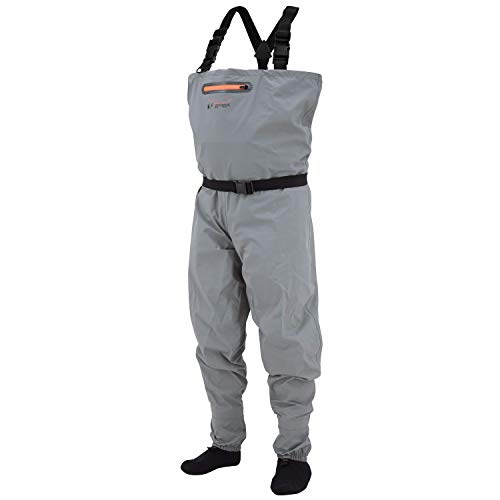
At 0.6 pounds, these are the lightest waders I've used. You barely feel them when hiking to remote pools. The breathable fabric lets moisture escape, which matters in warm weather. I've fished summer evenings in these without sweating through my base layer.
The stockingfoot design requires separate wading boots. That adds cost and complexity, but it gives you better ankle support and lets you choose boots with the traction you need. I pair these with felt-soled boots for mossy rocks.
The lightweight construction is less durable than heavier waders. I baby these more than my TIDEWE pair. They're not for bushwhacking through brambles or sliding down rocky banks. But for careful river fishing where you're mostly standing in one spot, they're comfortable all day.
Pros:
- Ultralight at 0.6 pounds
- Breathable fabric prevents overheating
- Stockingfoot allows custom boot choice
- Comfortable for long sessions
- Packs small for backpacking trips
Cons:
- Requires separate wading boots
- Less durable than heavy-duty waders
- Not ideal for rough terrain
3. Calamus Wavewalker Fishing Waders

The storage pockets on these waders are the best I've used. I can carry fly boxes, tippet, nippers, and a phone without needing a vest or pack. The pockets are positioned well. Nothing digs into your ribs when you bend over.
The slip-resistant boots work on varied bottom types. I've fished slick bedrock, gravel, and mud with good footing. The tear-resistant nylon holds up to thorns and sharp rocks. I fish a lot of overgrown streams, and these waders handle the abuse.
The PVC construction doesn't breathe, so these run warm in summer. They're best for spring and fall when water temps are cold enough to make warmth a benefit. The included wader hanger is a nice touch for proper storage.
Pros:
- Excellent pocket layout and capacity
- Slip-resistant boots work on varied terrain
- Tear-resistant nylon handles brush
- 100% waterproof PVC construction
- Good value for features included
Cons:
- Non-breathable fabric runs hot
- Bulkier than lightweight models
4. Trudave Fishing Waders For Men

Neoprene waders are warm. These keep me comfortable in 40-degree water when other waders leave me shivering. The insulation works both ways though. In water above 60 degrees, you'll overheat fast.
The integrated boots eliminate the need for separate footwear. The grip is solid on most river bottoms. I've used these for winter steelhead fishing, standing in frigid water for hours without cold feet. The neoprene flexes well enough for comfortable movement.
The reed-grass camo pattern helps if you're hunting or fishing pressured waters where stealth matters. For most fishing, the color doesn't affect catch rates, but it looks good. These waders are bulkier than non-insulated models, which makes them less packable.
Pros:
- Neoprene insulation handles cold water
- Integrated boots work well
- Comfortable for long cold-water sessions
- Camo pattern looks sharp
- Flexible despite insulation
Cons:
- Too warm for summer fishing
- Bulky and hard to pack
5. Frogg Toggs Mens Hellbender Breathable Stockingfoot Fishing Chest Wader

The Hellbender is Frogg Toggs' step up from the Canyon II. The breathable fabric is slightly thicker, which adds durability without much weight penalty. At 3.05 pounds, these are still light enough for hiking to remote water.
The stockingfoot design pairs well with quality wading boots. I use these with boots that have aggressive tread for fast water. The breathable material keeps me comfortable during summer fishing. Moisture escapes instead of building up inside the waders.
The slate gray color hides dirt and wear better than lighter colors. These waders look newer longer. The material isn't as tough as PVC or nylon waders, so you need to watch for snags on thorns and sharp rocks. For careful use on clean-bottomed rivers, they're excellent.
Pros:
- Breathable fabric for warm weather
- Light enough for backcountry fishing
- Stockingfoot allows boot customization
- Slate color hides wear
- Good balance of weight and durability
Cons:
- Requires separate boots
- Less durable than heavy-duty waders
- Not ideal for cold water
6. Foxelli Chest Waders

The 4mm neoprene strikes a good balance. It's warm enough for cold water but not so thick that you overheat in mild conditions. I've fished these in water ranging from 45 to 65 degrees comfortably.
The integrated boots fit well and provide decent traction. They're not as grippy as dedicated wading boots with aggressive tread, but they work for most river bottoms. The unisex design means sizing works for different body types.
The gray color is neutral and practical. These waders flex well, which matters when you're climbing over rocks or kneeling to unhook fish. The neoprene is durable enough for regular use. I've had mine for two seasons without leaks.
Pros:
- 4mm neoprene handles varied temps
- Integrated boots eliminate extra gear
- Flexible for varied movement
- Unisex fit works for many body types
- Durable construction
Cons:
- Boots lack aggressive tread
- Only available in gray
7. Bassdash 3d Boot Foot Game Wader
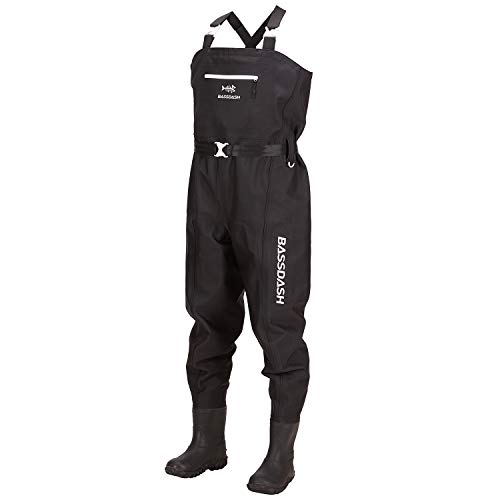
The black plaid pattern sets these waders apart visually. If you care about aesthetics, these look sharp. The ultra-high-strength nylon PVC construction backs up the appearance with real durability. I've fished these through blackberry thickets and over sharp rocks without damage.
The 3D boot design provides good foot support. The boots mold to your feet better than flat-pattern bootfoot waders. That reduces fatigue during long sessions. The tread pattern works well on slippery rocks and muddy banks.
These waders are on the heavier side. You'll notice the weight after hiking a mile or two. They're best for situations where you park close to your fishing spot. The heavy construction means they're warm, so save these for cold weather fishing. While you're at it, take a look at our fishing net for trout. While you're at it, take a look at our waterproof binoculars.
Pros:
- Ultra-durable nylon PVC construction
- 3D boots provide better support
- Black plaid looks good
- Handles rough terrain well
- Good tread pattern for traction
Cons:
- Heavier than breathable models
- Too warm for summer use
How to Pick the Right One
- Water temperature determines insulation needs. Cold water (below 50 degrees) requires neoprene. Warm water (above 60 degrees) needs breathable waders.
- Bootfoot vs stockingfoot affects convenience and customization. Bootfoot is simpler and cheaper overall. Stockingfoot gives you better boots but costs more.
- Terrain dictates durability requirements. Rocky rivers and brushy banks need heavy-duty PVC or nylon. Clean gravel bottoms allow lighter breathable waders.
- Distance to fishing spots matters for weight. If you hike more than a mile, get breathable waders under 1 pound. If you park streamside, heavier waders are fine.
- Season affects breathability importance. Summer fishing requires breathable waders. Spring and fall allow non-breathable options.
- Boot traction varies by bottom type. Felt soles work on moss and algae. Rubber studs handle rocky bottoms. Smooth rubber is fine for gravel.
Bottom Line
Buy TIDEWE bootfoot waders if you want durability and simplicity. Get Frogg Toggs Canyon II if you fish warm weather and hike to remote water. Choose Trudave neoprene for cold-water fishing. For related gear, check out our rod holder for bank fishing.


