
Water is the first thing you run out of, and the hardest thing to carry. I learned that the hard way on a North Carolina section hike when I misjudged water sources. A good filter turns streams into hydration without the weight of extra bottles.
I've used a bunch of these, from straws to pump systems. Some work great, some are slow, and some clog after a few uses. Here's what actually held up when I needed clean water fast.
1. Lifestraw Personal Water Purifier
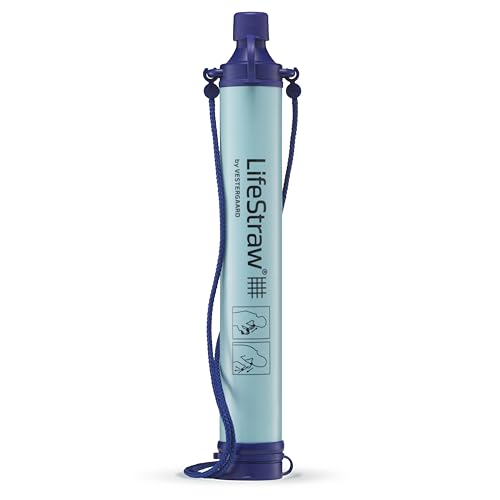
The LifeStraw is the classic for a reason. I've carried one for years, and it's saved me more than once when I ran low between water sources. You drink straight from the stream, which feels weird the first time but becomes second nature. The hollow fiber membrane filters out bacteria and parasites, though it won't catch viruses or chemicals.
It's lightweight and fits in a side pocket. The downside is that you have to lean down to the water source or scoop water into a bottle to drink through the straw. It's not fast, and the suction gets tiring on your jaw if you're really thirsty. But for the weight and simplicity, it's hard to beat as a backup filter.
Pros:
- Ultralight and compact, barely noticeable in your pack
- No batteries, no chemicals, just drink
- Filters 1,000 liters, lasts for months of regular use
- Cheap enough to keep one in every emergency kit
Cons:
- Won't filter viruses, so not for sketchy international water
- Suction gets tiring, especially when you're dehydrated
- Can't fill bottles easily, you drink directly
2. 5 High-capacity Emergency Water Straws

I keep these in my truck and emergency kit because they're stupid-simple and last forever. The 1800-gallon capacity is way more than I'll ever need, but it's nice to know they won't expire. I used one on a day hike when I misjudged my water needs, and it worked fine. The flow rate is decent, not as tiring as some cheaper straws.
The five-pack means I can hand them out to hiking partners or stash them in different kits. They're lightweight enough to throw in anywhere. Like the LifeStraw, you're drinking straight from the source, so you need to be near water or scoop it into a bottle. Not the fastest option, but reliable.
Pros:
- Massive 1800-gallon capacity, basically lasts forever
- Five-pack gives you backups and extras
- No expiration date, set it and forget it
- Lightweight and easy to stash anywhere
Cons:
- Still requires drinking directly from water or scooping
- Flow rate depends on how hard you suck
- Doesn't filter viruses or heavy chemicals
3. Membrane Solutions Straw Water Filter S1
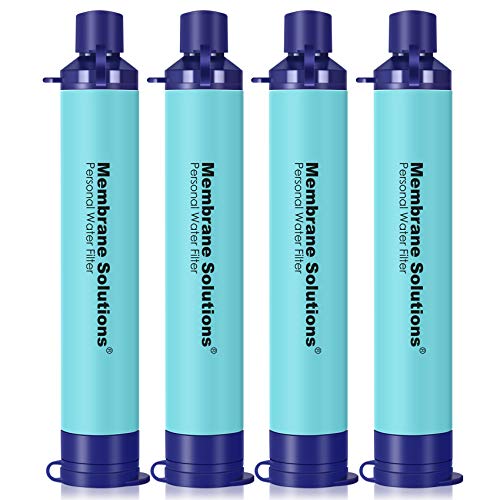
These are NSF-certified, which gives me more confidence than random off-brand filters. I used one on a group camping trip and appreciated the four-pack so everyone had their own. The blue casing is durable and easy to spot. The filtration works as advertised, removing chlorine, lead, and VOCs along with the usual bacteria and parasites.
The flow rate is solid, not as tiring as cheaper straws. They're compact enough to fit in a pocket or small pouch. The downside is they're still straw-style, so you can't easily fill a hydration bladder. For personal use or small groups, they're a good option. Replace them after heavy use, but they last longer than expected.
Pros:
- NSF-certified for real quality assurance
- Four-pack makes group trips easier
- Removes more contaminants than basic filters
- Durable build holds up to rough handling
Cons:
- Not for large-volume water needs
- Straw design limits convenience
- Needs replacement after extended use
4. Bkles 3-in-1 Solar Electric Water Filter

This one is a gadget lover's dream. It combines a hand pump, solar charging, and an emergency light. I tested it on a weekend trip and liked the pump action for filling bottles quickly. The solar panel keeps the battery topped off, though it's slow in anything but direct sun. The emergency light is brighter than I expected and doubles as a tent light.
The hand pump gets tiring if you're filtering a lot of water, but it's faster than sucking through a straw. The compact design fits in a pack without taking too much space. It's heavier than a simple straw filter, but the versatility makes up for it. Good for base camp or car camping, maybe too much for ultralight trips.
Pros:
- Hand pump fills bottles quickly
- Solar charging keeps it running
- Emergency light is a useful bonus
- Filters bacteria and contaminants effectively
Cons:
- Solar charging is slow in low light
- Hand pumping gets tiring after a while
- Heavier than minimalist options
5. Survivor Filter Pro

The Survivor Filter Pro is my go-to for trips where I need to filter a lot of water fast. The hand pump is more efficient than sucking through a straw, and I can fill bottles or hydration bladders quickly. It removes bacteria and protozoa, though not viruses. The green casing is easy to find in my pack.
At 0.8 pounds, it's heavier than a straw filter but lighter than some pump systems. The pump action is smooth, and the filter doesn't clog as quickly as cheaper models I've used. It's durable enough for rough handling. The downside is you need to maintain it and replace filters occasionally, but the convenience is worth it.
Pros:
- Hand pump is faster than straw filters
- Fills bottles and bladders easily
- Durable build holds up to abuse
- Doesn't clog as fast as cheaper pumps
Cons:
- Pumping takes effort, especially with silty water
- Doesn't filter viruses
- Heavier than straw options
6. Aquatabs Water Purification Tablets
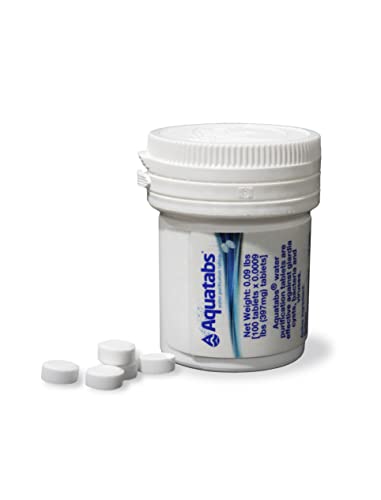
Tablets are the ultimate backup. I keep a pack of Aquatabs in every kit because they're lightweight, last forever, and work when filters fail. Drop one in a liter of water, wait 30 minutes, and you're good. They kill bacteria and viruses, which is more than most filters can say.
The downside is the wait time and the slight chemical taste. I don't love drinking chlorine-treated water, but when the alternative is getting sick, I'll take it. They're perfect for emergency kits or situations where a filter isn't practical. The 100-pack lasts a long time and weighs almost nothing.
Pros:
- Ultralight and compact, fits anywhere
- Kills bacteria and viruses
- Long shelf life, no expiration worries
- 100 tablets last a long time
Cons:
- 30-minute wait time before drinking
- Chemical taste isn't great
- Doesn't remove sediment or particles
7. Waterdrop Gravity Water Filter Straw
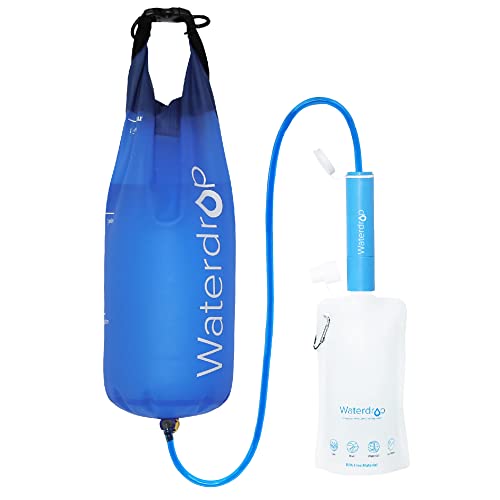
The Waterdrop gravity system is perfect for base camp or group camping. Fill the 1.5-gallon bag, hang it from a tree, and let gravity do the work. The 0.1-micron filter removes everything I worry about, and the five-stage filtration is overkill in a good way. I used it on a group trip, and everyone appreciated not having to pump or suck.
The downside is the size and weight, especially when the bag is full. It's not practical for solo ultralight trips, but for car camping or group outings, it's great. The flow rate is slower than a pump but faster than a straw. The bag is durable, though I'm careful not to puncture it on sharp rocks or branches. While you're at it, take a look at our personal water purifier. While you're at it, take a look at our collapsible water container. While you're at it, take a look at our insulated water bottle.
Pros:
- Gravity system is hands-free, no effort required
- 1.5-gallon bag handles group water needs
- 0.1-micron filter removes tiny contaminants
- Five-stage filtration gives extra confidence
Cons:
- Slower flow rate than pump systems
- Heavier and bulkier than compact options
- Bag needs care to avoid punctures
How to Pick the Right One
- For ultralight solo trips, go with a straw filter like the LifeStraw or Membrane Solutions.
- For group camping, use a gravity system like the Waterdrop or a hand pump like the Survivor Filter Pro.
- Always carry backup tablets. They weigh nothing and work when everything else fails.
- Check what contaminants you need to filter. Most filters handle bacteria and parasites, but not viruses or chemicals.
- Consider flow rate. Pumps are fast, gravity is hands-free, straws are slow but simple.
- Replace filters when they clog or taste off. Don't risk bad water to save a few bucks.
Bottom Line
Water filters are survival insurance. Carry what fits your trip, and always bring a backup. Straw filters are great for solo hikes, pumps are better for groups, and tablets are the ultimate backup. Don't cheap out on clean water.

