
Two miles into a trail last year, my hiking partner sliced his hand on a sharp rock. We had a first aid kit, but it was packed with items we'd never use and missing the basics we actually needed. That taught me what matters: not the piece count, but whether you can stop bleeding, clean a wound, and stabilize an injury until you get help.
A good hiking first aid kit fits in your pack without adding bulk. It needs bandages that actually stick when you're sweaty, antiseptic that doesn't leak, and supplies organized so you can find them fast. I've tested kits on day hikes, overnight trips, and week-long backpacking runs. Size, waterproofing, and what's actually inside make the difference between useful and useless.
1. Mini First Aid Kit

This is the kit I keep in my day pack. At 150 pieces in a waterproof hard case, it covers the basics without taking up half my pack. The hard shell protects everything from getting crushed when I toss the pack around. I've used it for blisters, cuts, and a twisted ankle. The bright red makes it easy to spot when you're digging through your gear in a hurry.
It's compact enough to fit in a glove box or side pocket. The waterproof seal kept everything dry when my pack got soaked in a rainstorm. It's not a trauma kit, but for typical trail injuries, it does the job.
Pros:
- 150 pieces cover common injuries
- Waterproof hard case protects contents
- Compact size fits anywhere
- Bright red is easy to locate
- Good for day hikes and short trips
Cons:
- Limited supplies for serious emergencies
- Small quantities of each item
- No detailed instruction manual
2. Protect Life Survival First Aid Kit

I keep this 100-piece kit in my truck as a backup. It's small enough to stash under a seat but has enough supplies for typical outdoor injuries. The contents are organized better than some larger kits I've seen. I've used it for scrapes, burns, and insect bites on camping trips.
The compact size means it's easy to grab and go. It's not built for major trauma, but it handles the minor stuff that happens on trails. The packaging is durable and has held up to being tossed around in my vehicle.
Pros:
- 100 pieces for essential first aid
- Compact and fits in tight spaces
- Works for home, car, or camp
- Durable packaging
- Well-organized contents
Cons:
- No specialized trauma supplies
- Limited quantities per item
- May need restocking after use
3. Mini First Aid Kit
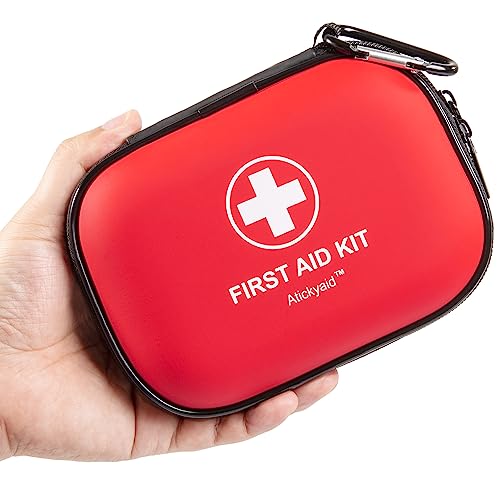
This 120-piece kit is similar to the 150-piece version but slightly smaller. I use it when I'm traveling light or need a spare for a second vehicle. The waterproof hard shell is solid and the contents cover cuts, scrapes, and basic wound care. It's lightweight enough that you forget it's in your pack.
The case opens easily and the supplies are visible when you pop it open. I've had mine for over a year and the case still seals tight. For short trips or car camping, it's plenty.
Pros:
- 120 pieces for common injuries
- Waterproof hard shell stays sealed
- Lightweight and portable
- Easy to open and access
- Fits in small spaces
Cons:
- Not enough for extended trips
- Limited space for personal meds
- Some items are single-use only
4. Everlit Survival First Aid Kit
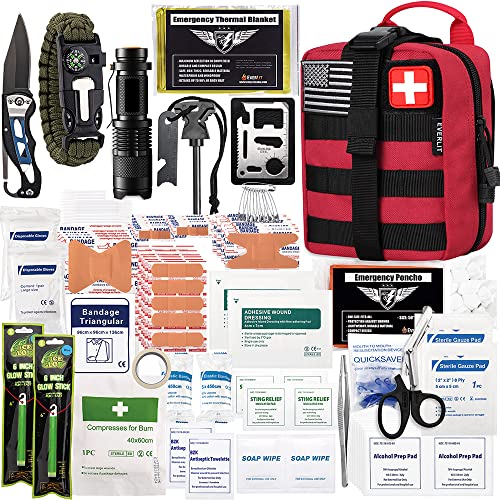
This is a serious kit. 250 pieces including trauma supplies like gauze, antiseptics, and tools. The MOLLE pouch attaches to packs or tactical gear, which is handy if you're carrying it on multi-day trips. I used this on a week-long backpacking trip and felt confident I could handle more than just scrapes.
The organization inside the pouch is good. You can find what you need without dumping everything out. It's heavier than mini kits, but the trade-off is being ready for real emergencies. The red color is visible and the construction is rugged.
Pros:
- 250 pieces include trauma supplies
- MOLLE attachment works with packs
- Well-organized for quick access
- Handles serious injuries
- Durable construction
Cons:
- Heavier than compact kits
- Can be overwhelming if unfamiliar with supplies
- Items have expiration dates
5. Travel First Aid Kit

300 pieces sounds like overkill until you're on a long trip with a group. This kit has enough to treat multiple people or restock after several incidents. It's compact for the amount it holds, about 4x4x4 inches. I keep one in my car and another at base camp on longer trips.
The bright red case makes it visible. The contents cover a wide range of situations from blisters to burns to cuts. It's lightweight at just over half a pound. For the piece count, that's impressive.
Pros:
- 300 pieces for extended trips
- Compact size despite high count
- Lightweight at 0.625 pounds
- Bright red for visibility
- Good for groups or long stays
Cons:
- No advanced trauma gear
- Small quantities of each item
- May not suit minimalist hikers
6. 330 Piece First Aid Kit
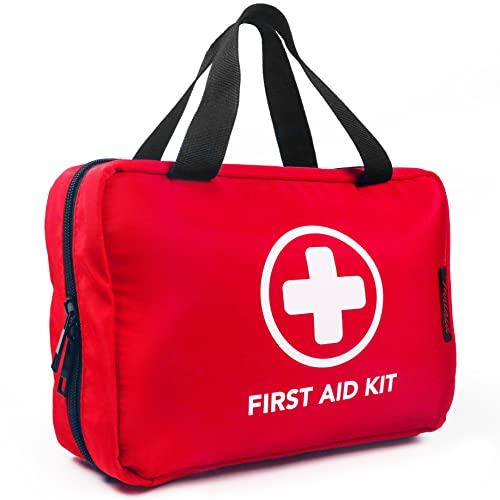
This 330-piece kit is one of the most comprehensive I've tested. It's waterproof, well-organized, and includes trauma supplies that smaller kits skip. I used it on a multi-day camping trip and felt prepared for anything short of needing an ambulance. The compact case is deceptive because it holds a lot.
At 1.61 pounds, it's heavier than mini kits but reasonable for the contents. The red case is visible and the waterproof seal works. If you're leading a group or doing remote trips, this level of preparation makes sense.
Pros:
- 330 pieces cover wide range of injuries
- Waterproof and compact
- Includes trauma supplies
- Well-organized for quick access
- Good for groups or remote trips
Cons:
- Can be overwhelming for beginners
- Items expire and need checking
- Heavier than ultralight options
7. Survivex Large First Aid Kit
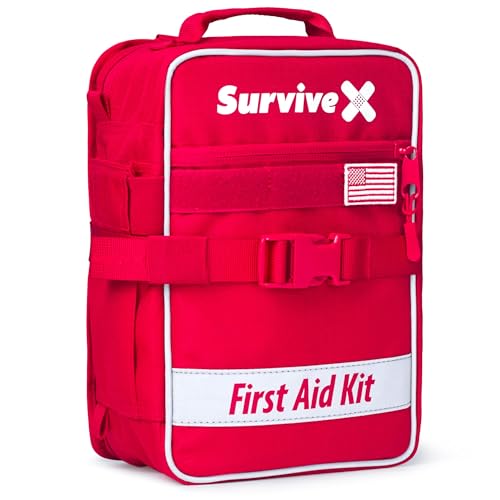
This kit stands out because it includes Zip Stitch wound closure strips. I haven't needed them yet, but they're a smart addition for deep cuts when you're miles from help. The kit is large but organized well. It covers standard injuries plus some advanced supplies.
At 2.8 pounds, it's not ultralight, but if you're car camping or leading groups, the weight is worth it. The case is durable and the supplies are comprehensive. This is the kit I'd want if someone got seriously hurt on a remote trail. While you're at it, take a look at our bear spray for wildlife encounters. While you're at it, take a look at our emergency radio. While you're at it, take a look at our insect repellent.
Pros:
- Includes Zip Stitch for wound closure
- Comprehensive supplies for serious injuries
- Well-organized case
- Durable construction
- Good for car, home, or base camp
Cons:
- 2.8 pounds is heavy for backpacking
- Larger than ultralight kits
- Advanced supplies require knowledge to use
How to Pick the Right One
- Day hikes or ultralight trips: Mini 150-piece kits keep weight down.
- Car camping or short trips: 100-120 piece kits provide basics without bulk.
- Multi-day backpacking: Everlit 250-piece with MOLLE attachment balances weight and capability.
- Group trips or remote locations: 300-330 piece kits handle multiple people or serious injuries.
- Advanced needs: SurviveX with wound closure strips adds capability for deep cuts.
- Vehicle or base camp: Larger kits make sense when weight isn't an issue.
Bottom Line
Don't wait until you need it to realize your first aid kit is inadequate. I carry the Mini 150-piece on day hikes and the Everlit 250-piece on longer trips. Check your kit twice a year and replace anything that's been used or expired.


